
















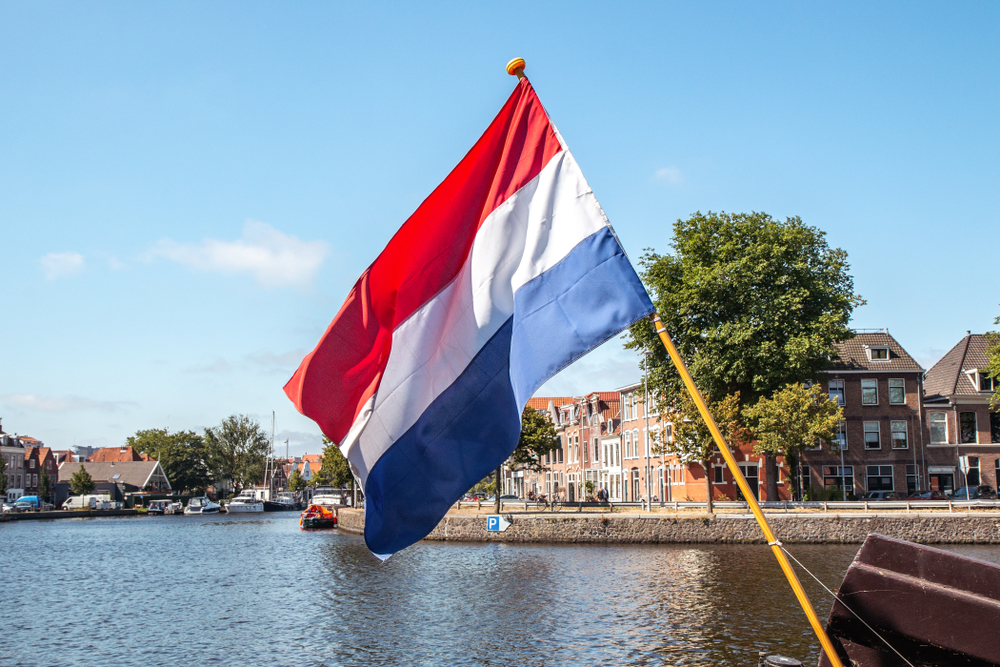
The Dutch Gambling Authority has warned that the state is losing out on over €500m in tax revenue each year due to the surging popularity of the black market.
As the Netherlands seeks to curtail an illicit sector that has the same spending levels as the regulated market, the KSA’s Chair of the Executive Board, Michael Groothuizen, emphasised the need for international collaboration against a ‘global network of ruthless criminal organisations’.
He said: “In my view, it is naive to cling to the idea that a well-regulated legal national market and a national regulator are sufficient to tackle this problem. We are fighting a global network of ruthless criminal organisations with dedicated community police officers, whereas we should actually be deploying an international investigative service.”
Groothuizen was writing in response to a debate held earlier this month in the House of Representatives, where politicians discussed a range of proposed changes to the market.
These include an advertising ban, a central login portal for the regulated sector, increasing the minimum gambling age to 21 and limiting the number of licence holders as the initial five-year licences awarded in 2021, when the market reopened, begin to expire.
Sentiment towards the industry varied significantly, as both the SGP and Christian Democratic Appeal parties called for a complete prohibition of online gambling.
However, several members raised concerns about the impact of extensive regulatory changes on the black market.
Politicians across the spectrum united in support for stronger enforcement against the black market during the discussion, and urged Minister for Legal Protection Claudia Van Bruggen to give authorities more power to block sites.
However, the State Secretary warned that no mechanism currently exists to force internet providers to block foreign domains or collect fines handed out by the KSA.
As a result of the ineffective nature of the fines, the regulator has previously said that it is now focused on taking down the infrastructure that supports the black market, reducing the visibility of these websites and ‘erecting barriers to prevent payments’.
“We are holding the major tech companies accountable for not making their online platforms and search engines available to this type of large-scale crime. We are also in dialogue with the financial sector. If you cannot place bets or cash out winnings, the fun of gambling quickly wears off,” added Groothuizen.
He also highlighted the dangers of the black market, pointing to a recent case of a website featuring gamblimg advertisements posing as the Dutch suicide prevention support website.
“These parties not only disregard national laws and regulations but also take no responsibility whatsoever for their players,” said Groothuizen.
“The majority of illegal gambling providers actively target people who already have gambling problems and have registered in the Cruks exclusion register. Their message? Bypass Gokstop, keep gambling with us.”